

IMMIGRATION LAW
Consular Processing
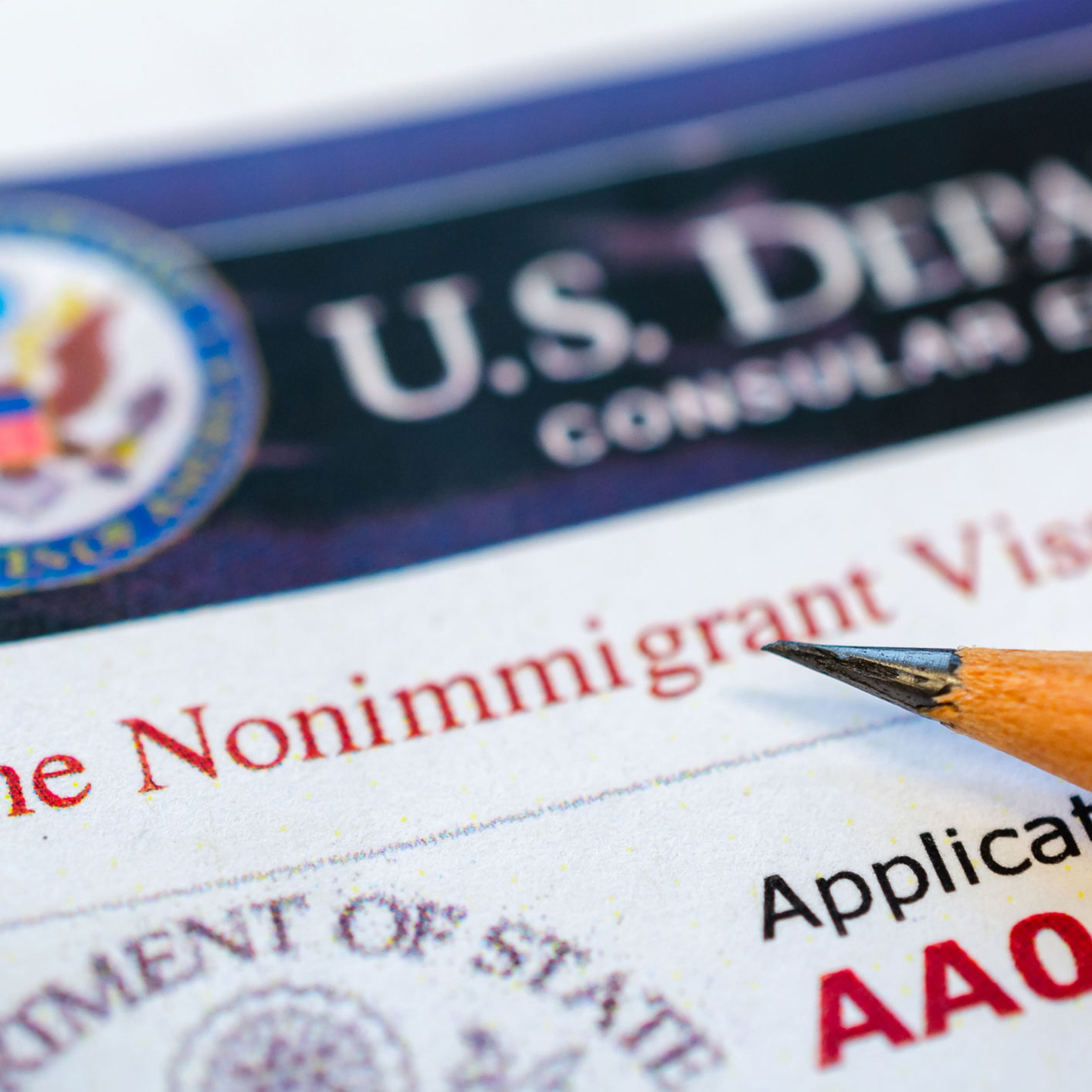
Consular processing is the step when a person outside the United States applies for an immigrant or nonimmigrant visa at a U.S. embassy or consulate in their home country. Instead of adjusting status or changing their nonimmigrant status from within the U.S., the applicant attends an interview abroad where a consular officer reviews their documents, asks questions, and decides if the visa can be approved. Our office helps clients prepare the required forms, gather supporting evidence, and guide them through each step to ensure a smooth process.
Deportation Defense
Consular Processing
Business Immigration
Vulnerable Populations
Family & Citizenship
Consular Processing
Consular processing is one of the two ways for an individual to obtain an immigrant or a non-immigrant visa from outside the United States. It involves applying for a visa through a U.S. embassy or consulate in the applicant’s home country. The process typically begins after a family-based or employment-based immigrant petition—such as Form I-130 or I-140—is approved by U.S. Citizenship and Immigration Services (USCIS). Once the petition is approved and a visa number is available, the National Visa Center (NVC) notifies the applicant and provides instructions for submitting required forms and supporting documents. The applicant then attends an interview at the designated U.S. consulate, where a consular officer evaluates eligibility for the immigrant visa. If approved, the individual receives a visa in their passport, which must be presented to U.S. Customs and Border Protection at a port of entry. Upon arrival and inspection, the person is admitted into the United States. Consular processing is often used by individuals who are living abroad and provides a pathway to visit, work, or obtain permanent residency.
CONSULAR PROCESSING WITH EMPLOYMENT BASED VISAS
Consular processing is an essential part of the U.S. immigration system, particularly when a company seeks to hire a foreign national from abroad. The process differs depending on whether the employer is sponsoring the worker for a temporary (nonimmigrant) visa or for permanent residency (immigrant visa). In both cases, the foreign national applies for a visa at a U.S. consulate or embassy outside the United States, typically in their country of residence or nationality.
When a company seeks to bring a worker to the U.S. on a temporary basis, such as through the H-1B (specialty occupation), L-1 (intra-company transfer), or O-1 (extraordinary ability) visa, the employer first files a petition with U.S. Citizenship and Immigration Services (USCIS). If approved, the worker uses the USCIS approval notice to apply for the appropriate visa at a U.S. consulate. The consular officer reviews the application, supporting documents, and may conduct an interview. If approved, the foreign national receives a visa stamp in their passport and can then travel to the U.S. to begin employment.
For a permanent position, companies can sponsor foreign nationals for an employment-based immigrant visa, or green card. This process usually involves three steps: obtaining a PERM labor certification from the U.S. Department of Labor, filing a Form I-140 immigrant petition with USCIS, and finally, consular processing through the National Visa Center (NVC) and a U.S. consulate abroad. Once a visa number becomes available, the foreign national is scheduled for an immigrant visa interview, and if successful, enters the U.S. as a lawful permanent resident.
The Visa Bulletin, published monthly by the U.S. Department of State, plays a crucial role in employment-based immigrant visa processing. It shows when an immigrant visa is available based on the applicant’s priority date—the date the labor certification or immigrant petition was filed. Backlogs can occur, especially for applicants from high-demand countries like India or China, meaning even with an approved petition, the applicant must wait until their priority date becomes current before the consular interview can be scheduled. This delay can impact employers’ hiring timelines and workforce planning.
Consular processing allows foreign workers to obtain either a temporary or permanent visa to enter the U.S. for employment, depending on the company’s needs. Temporary nonimmigrant visas move relatively quickly after petition approval, while immigrant visa sponsorship involves a multi-step process influenced by visa availability and the Visa Bulletin. Employers must understand these timelines and requirements to ensure compliance and effective talent planning when hiring foreign nationals.
FAMILY BASED CONSULAR PROCESSING
Family-based immigrant visa processing allows U.S. citizens and lawful permanent residents to sponsor certain relatives for permanent residency. The process begins when the sponsor files Form I-130, Petition for Alien Relative, with U.S. Citizenship and Immigration Services (USCIS), establishing the qualifying family relationship. Once the petition is approved, the case is forwarded to the National Visa Center (NVC), which collects supporting documents, fees, and the required immigrant visa application, Form DS-260. When the case is complete and a visa is available, the foreign relative is scheduled for an interview at a U.S. consulate in their home country. If the consular officer approves the application, the applicant receives an immigrant visa and can enter the United States as a lawful permanent resident.
A key factor in this process is the Visa Bulletin, published monthly by the U.S. Department of State. It determines when a family member may proceed with immigrant visa processing, based on their priority date—the date USCIS received the Form I-130 Petition. The Visa Bulletin is especially important for family preference categories, which are subject to annual numerical limits and often experience backlogs. These include adult children and siblings of U.S. citizens, and spouses and children of lawful permanent residents. Applicants must wait until their priority date becomes “current” under the applicable category before the NVC can schedule the visa interview.
In contrast, immediate relatives—which include spouses, unmarried children under 21, and parents of U.S. citizens—are not subject to annual limits or the Visa Bulletin. Their cases may proceed as soon as USCIS approves the Form I-130 Petition and the NVC completes processing. This distinction between immediate relatives and preference category relatives greatly affects processing times. Immediate relatives often move through the system relatively quickly, while preference category applicants may face years of waiting, especially if they are from countries with high levels of immigration to the U.S., such as Mexico, India, or the Philippines.
CONSULAR PROCESSING AND WAIVERS OF INADMISSIBILITY
Waivers of inadmissibility play a critical role in consular processing when a foreign national applying for either a nonimmigrant or immigrant visa is found inadmissible to the United States due to past immigration violations, criminal history, misrepresentation, health-related issues, or other grounds outlined in the Immigration and Nationality Act. During the consular interview, a consular officer may determine that the applicant is inadmissible, even if the underlying visa petition has been approved. In such cases, the applicant may be eligible to apply for a waiver, depending on the specific ground of inadmissibility and the type of visa sought.
For family-based immigrant visas, waivers often require a showing of extreme hardship to a qualifying U.S. citizen or lawful permanent resident relative. For certain nonimmigrant visas, applicants may seek a discretionary waiver under INA § 212(d)(3), which allows for temporary entry despite inadmissibility, often requiring a strong showing of the purpose of travel and low risk to the United States. Employment-based immigrant visa applicants may also apply for waivers under limited circumstances. The waiver process must be completed before the visa can be issued, and approval is never guaranteed, making waivers a vital—yet complex—component of consular processing for many applicants.
Consular Processing
Consular Processing
Consular processing is one of the two ways for an individual to obtain an immigrant or a non-immigrant visa from outside the United States. It involves applying for a visa through a U.S. embassy or consulate in the applicant’s home country. The process typically begins after a family-based or employment-based immigrant petition—such as Form I-130 or I-140—is approved by U.S. Citizenship and Immigration Services (USCIS). Once the petition is approved and a visa number is available, the National Visa Center (NVC) notifies the applicant and provides instructions for submitting required forms and supporting documents. The applicant then attends an interview at the designated U.S. consulate, where a consular officer evaluates eligibility for the immigrant visa. If approved, the individual receives a visa in their passport, which must be presented to U.S. Customs and Border Protection at a port of entry. Upon arrival and inspection, the person is admitted into the United States. Consular processing is often used by individuals who are living abroad and provides a pathway to visit, work, or obtain permanent residency.
Consular Processing with Employment Based Visas
Consular processing is an essential part of the U.S. immigration system, particularly when a company seeks to hire a foreign national from abroad. The process differs depending on whether the employer is sponsoring the worker for a temporary (nonimmigrant) visa or for permanent residency (immigrant visa). In both cases, the foreign national applies for a visa at a U.S. consulate or embassy outside the United States, typically in their country of residence or nationality.
For a permanent position, companies can sponsor foreign nationals for an employment-based immigrant visa, or green card. This process usually involves three steps: obtaining a PERM labor certification from the U.S. Department of Labor, filing a Form I-140 immigrant petition with USCIS, and finally, consular processing through the National Visa Center (NVC) and a U.S. consulate abroad. Once a visa number becomes available, the foreign national is scheduled for an immigrant visa interview, and if successful, enters the U.S. as a lawful permanent resident.
The Visa Bulletin, published monthly by the U.S. Department of State, plays a crucial role in employment-based immigrant visa processing. It shows when an immigrant visa is available based on the applicant’s priority date—the date the labor certification or immigrant petition was filed. Backlogs can occur, especially for applicants from high-demand countries like India or China, meaning even with an approved petition, the applicant must wait until their priority date becomes current before the consular interview can be scheduled. This delay can impact employers’ hiring timelines and workforce planning.
Consular processing allows foreign workers to obtain either a temporary or permanent visa to enter the U.S. for employment, depending on the company’s needs. Temporary nonimmigrant visas move relatively quickly after petition approval, while immigrant visa sponsorship involves a multi-step process influenced by visa availability and the Visa Bulletin. Employers must understand these timelines and requirements to ensure compliance and effective talent planning when hiring foreign nationals.
Employment-based visa processing through consulates abroad helps talented individuals bring their skills to the U.S., strengthening businesses and communities alike. It also allows families to stay together while pursuing new opportunities, turning dreams of living and working in America into a shared reality.
Family Based Consular Processing
Family-based immigrant visa processing allows U.S. citizens and lawful permanent residents to sponsor certain relatives for permanent residency. The process begins when the sponsor files Form I-130, Petition for Alien Relative, with U.S. Citizenship and Immigration Services (USCIS), establishing the qualifying family relationship. Once the petition is approved, the case is forwarded to the National Visa Center (NVC), which collects supporting documents, fees, and the required immigrant visa application, Form DS-260. When the case is complete and a visa is available, the foreign relative is scheduled for an interview at a U.S. consulate in their home country. If the consular officer approves the application, the applicant receives an immigrant visa and can enter the United States as a lawful permanent resident.
A key factor in this process is the Visa Bulletin, published monthly by the U.S. Department of State. It determines when a family member may proceed with immigrant visa processing, based on their priority date—the date USCIS received the Form I-130 Petition. The Visa Bulletin is especially important for family preference categories, which are subject to annual numerical limits and often experience backlogs. These include adult children and siblings of U.S. citizens, and spouses and children of lawful permanent residents. Applicants must wait until their priority date becomes “current” under the applicable category before the NVC can schedule the visa interview.
In contrast, immediate relatives—which include spouses, unmarried children under 21, and parents of U.S. citizens—are not subject to annual limits or the Visa Bulletin. Their cases may proceed as soon as USCIS approves the Form I-130 Petition and the NVC completes processing. This distinction between immediate relatives and preference category relatives greatly affects processing times. Immediate relatives often move through the system relatively quickly, while preference category applicants may face years of waiting, especially if they are from countries with high levels of immigration to the U.S., such as Mexico, India, or the Philippines.
Consular Processing and Waivers of Inadmissibility
Waivers of inadmissibility play a critical role in consular processing when a foreign national applying for either a nonimmigrant or immigrant visa is found inadmissible to the United States due to past immigration violations, criminal history, misrepresentation, health-related issues, or other grounds outlined in the Immigration and Nationality Act. During the consular interview, a consular officer may determine that the applicant is inadmissible, even if the underlying visa petition has been approved. In such cases, the applicant may be eligible to apply for a waiver, depending on the specific ground of inadmissibility and the type of visa sought.
For family-based immigrant visas, waivers often require a showing of extreme hardship to a qualifying U.S. citizen or lawful permanent resident relative. For certain nonimmigrant visas, applicants may seek a discretionary waiver under INA § 212(d)(3), which allows for temporary entry despite inadmissibility, often requiring a strong showing of the purpose of travel and low risk to the United States. Employment-based immigrant visa applicants may also apply for waivers under limited circumstances. The waiver process must be completed before the visa can be issued, and approval is never guaranteed, making waivers a vital—yet complex—component of consular processing for many applicants.